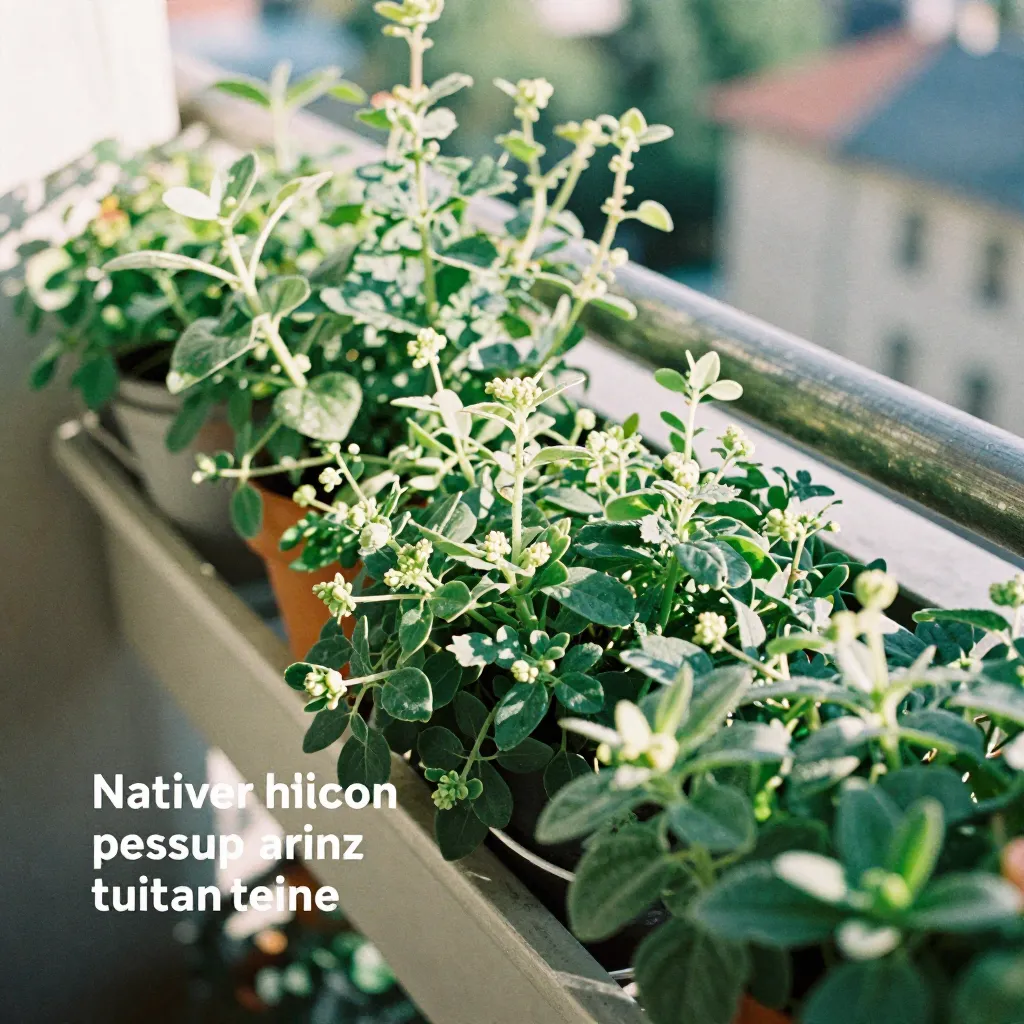
Native flowers attracting pollinators in urban balcony setting

Pollinator Pathways

Your balcony serves as a vital stepping stone in the city's ecological network. Discover which native Finnish flowers attract specific urban bees and butterflies.

Creating Ecological Connections

Urban Stepping Stones

Balcony gardens function as critical waypoints for pollinators navigating urban landscapes. By selecting native species, you create familiar food sources that support local pollinator populations throughout their active seasons.

Seasonal Bloom Sequences

Native Finnish plants bloom in natural sequences that align with pollinator emergence patterns. Early spring species support emerging bees, while late summer blooms sustain populations preparing for overwintering.

Nectar and Pollen Resources

Different pollinator species have varying needs. Some require specific flower shapes, while others seek particular nectar compositions. Native plants have co-evolved with local pollinators, creating optimal resource matches.
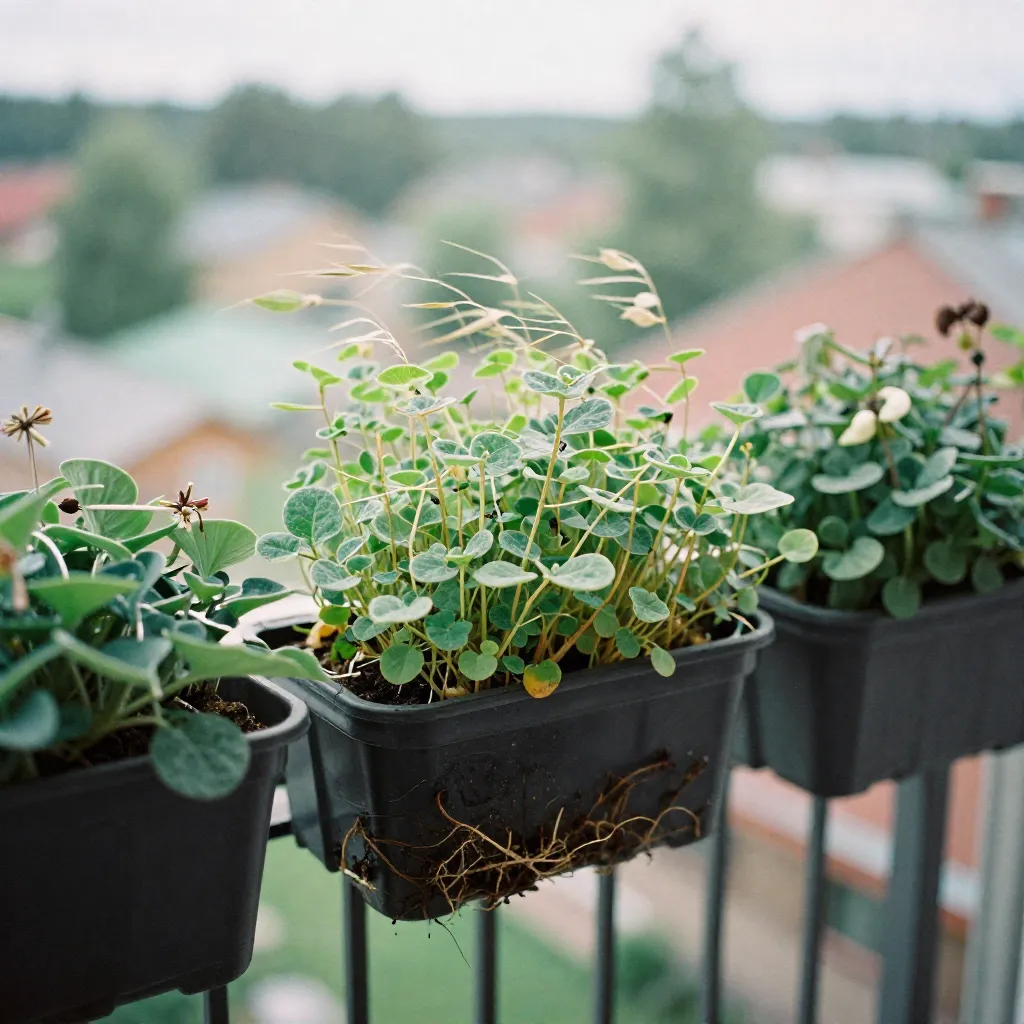
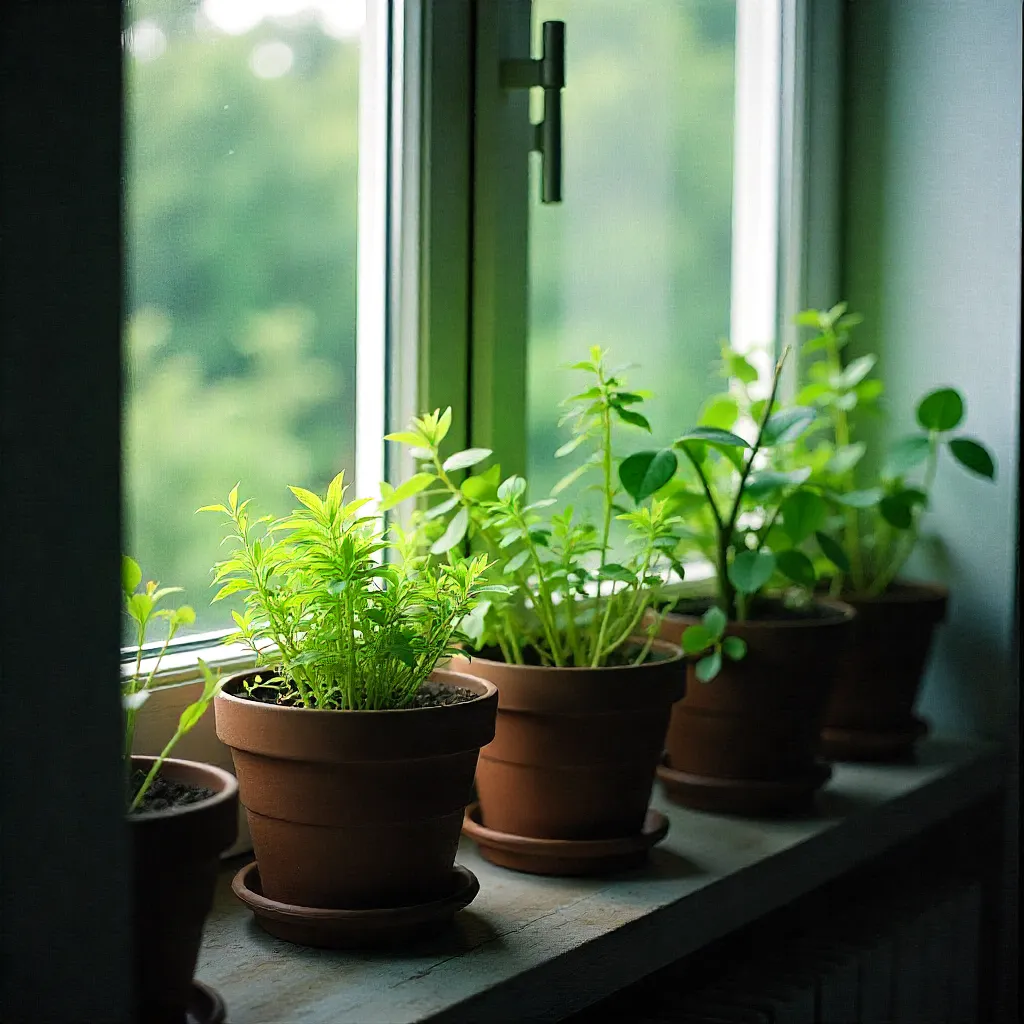
Species-Specific Attractions

Harebells for Bumblebees

The Harebell (Campanula rotundifolia) produces bell-shaped flowers that accommodate larger bumblebee species. Its delicate appearance belies its resilience, thriving in both sunny and partially shaded conditions.

Wild Strawberry for Solitary Bees

Wild Strawberry flowers attract numerous solitary bee species. The open flower structure allows easy access to nectar and pollen, while the plant's ground-covering habit provides additional habitat benefits.

Heather for Late Season Support

Common Heather blooms late in the season when many other flowers have finished. This timing provides crucial resources for pollinators preparing for winter, supporting both resident and migratory species.

Butterfly-Specific Considerations

Native plants providing nectar sources for butterflies

Nectar Sources

Butterflies require accessible nectar sources with suitable flower shapes. Flat-topped or open flowers allow easy access, while clustered blooms provide efficient feeding opportunities. Native species naturally accommodate these needs.

Host Plant Relationships

Many butterflies have specific host plant requirements for their larval stages. While balcony gardens may not support complete life cycles, providing nectar sources supports adult butterflies and contributes to larger ecological networks.

Sunny Perches

Butterflies require sunny spots for basking and orientation. South-facing balconies with native flowering plants create ideal conditions, while nearby structures provide wind protection and perching opportunities.

Designing for Pollinator Diversity

Flower Shape Variety

Including plants with different flower shapes accommodates various pollinator mouthparts and feeding behaviors. Tubular flowers suit long-tongued species, while open flowers serve generalist pollinators.

Continuous Bloom

Selecting species with staggered bloom times ensures continuous resource availability. This approach supports pollinators throughout their active seasons and maintains ecological connections across time.

Grouping Strategies

Planting multiple individuals of the same species creates visible targets for pollinators and increases foraging efficiency. This clustering mimics natural plant distributions and supports effective pollinator navigation.